
Blog
20 Natural Anti-Inflammatory Foods: Herbs, Spices and Leafy Greens for Better Everyday Wellness

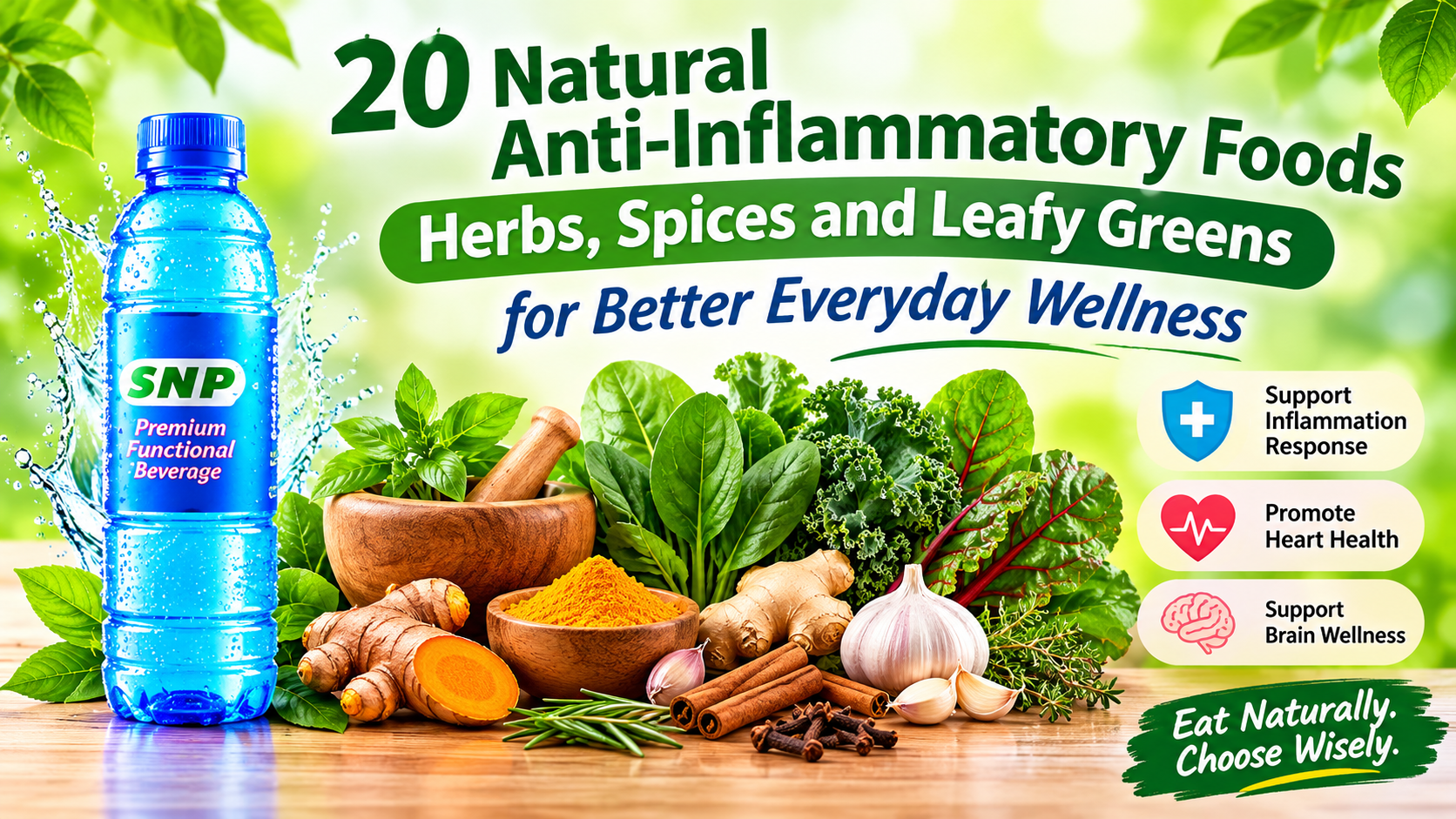
20 Natural Anti-Inflammatory Foods: Herbs, Spices and Leafy Greens for Better Everyday Wellness
Have you ever wondered why some foods are considered especially good for our health?
Many everyday ingredients, such as turmeric, ginger, garlic and green leafy vegetables, contain natural compounds that have attracted the attention of health researchers.
Our body has its own natural defence system. Inflammation is one of the ways it protects us when we experience an injury or infection. This is a normal and important process. However, long-term inflammation can be associated with several health problems.
This is why the food we eat every day matters.
A balanced diet with plenty of vegetables, fruits, herbs and spices can provide important nutrients and antioxidants that help support normal body functions.
At SNP Kart, we believe that good health starts with making better everyday choices. Through our plant-based wellness range, including SNP Functional Drink, we encourage people to take a more informed approach to their wellness.
Let's look at 20 natural foods that you can include in your daily diet.
Understanding Inflammation and Its Connection to Health

Inflammation is the body's natural way of responding to infections, injuries and other harmful conditions.
It helps the body protect itself and supports the healing process.
However, when inflammation continues for a long time, it may be associated with conditions such as cardiovascular disease, metabolic disorders and certain joint-related problems.
One way to support overall health is to follow a balanced diet.
Many herbs, spices and leafy vegetables contain natural plant compounds with antioxidant properties. These compounds are being studied for their possible role in supporting the body's normal functions.
The good thing is that many of these ingredients are already part of our everyday cooking.
Let's explore them one by one.
1. Herbs and Spices: Natural Ingredients Worth Including in Your Diet
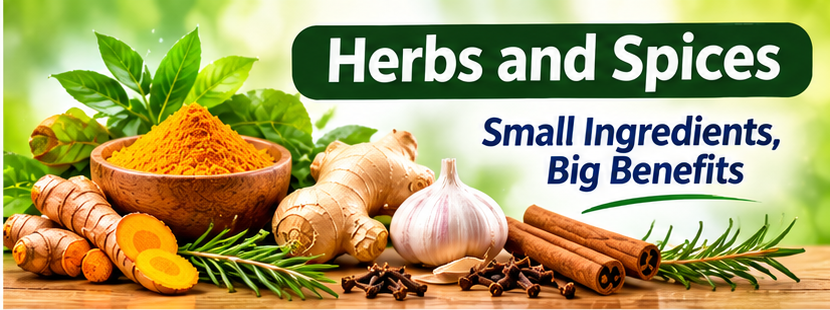
Herbs and spices have been used in traditional cooking for generations.
They add flavour, colour and aroma to our food. Many also contain natural compounds that have attracted interest for their antioxidant and other health-related properties.
Here are ten commonly used herbs and spices.
1. Turmeric (Curcumin)
Turmeric is one of the most familiar spices in Indian kitchens. It is known for its bright yellow colour and has been used in traditional food preparations for centuries.
Its main active compound, curcumin, has been widely studied for its antioxidant and anti-inflammatory properties.
How to include turmeric in your diet:
Add it to everyday curries and vegetable dishes.
Use it in soups.
Include small amounts in your regular cooking.
Turmeric is a useful addition to a balanced diet, but it should not be considered a treatment for inflammatory diseases.
2. Ginger
Ginger is another common ingredient found in many Indian households.
It contains natural compounds called gingerols, which have been studied for their antioxidant and anti-inflammatory properties.
Ginger is also traditionally used to support digestive comfort.
How to include ginger in your diet:
Add fresh ginger to tea.
Use it in soups and curries.
Add grated ginger to vegetable dishes.
3. Garlic
Garlic is widely used in cooking and is known for its strong flavour and aroma.
It contains naturally occurring sulphur compounds, including allicin, which forms when fresh garlic is crushed or chopped.
Garlic has been studied for its possible role in cardiovascular health and the body's natural inflammatory processes.
How to include garlic in your diet:
Add fresh garlic to curries.
Use it in soups and chutneys.
Include it in everyday vegetable preparations.
4. Cinnamon
Cinnamon is a popular spice used in cooking, tea and traditional food preparations.
It contains natural plant compounds with antioxidant properties. Researchers have also studied its possible relationship with blood sugar regulation and metabolic health.
How to include cinnamon in your diet:
Add a little cinnamon to breakfast foods.
Use it in tea and beverages.
Include it in suitable recipes.
5. Cloves
Cloves are small aromatic flower buds commonly used in Indian cooking.
They contain a natural compound called eugenol, which has been studied for its antioxidant and other biological properties.
How to include cloves in your diet:
Add them to curries and soups.
Use them in spice mixtures.
Include them in traditional food preparations.
6. Rosemary
Rosemary is an aromatic herb used in many cuisines around the world.
It contains natural compounds such as rosmarinic acid and carnosic acid, which are known for their antioxidant properties.
How to include rosemary in your diet:
Add it to roasted vegetables.
Use it in soups.
Include it in homemade seasoning mixes.
7. Thyme
Thyme is a fragrant herb that is commonly used in cooking.
It contains natural compounds such as thymol, which have been studied for their antioxidant and antimicrobial properties.
How to include thyme in your diet:
Add it to soups.
Use it in vegetable dishes.
Include it in seasoning blends.
8. Basil (Holy Basil or Tulsi)
Tulsi is a familiar plant in many Indian homes. It has been used in traditional wellness practices for generations.
Basil contains different natural plant compounds that are being studied for their antioxidant and other properties.
How to include basil in your routine:
Add fresh basil leaves to suitable dishes.
Use Tulsi leaves in traditional herbal preparations.
Prepare a simple basil-infused beverage.
If you take regular medication, speak with your healthcare professional before using concentrated Tulsi extracts or supplements.
9. Oregano
Oregano is a popular herb used in different types of cooking.
It contains natural compounds such as carvacrol and thymol, which have been studied for their antioxidant and antimicrobial properties.
How to include oregano in your diet:
Sprinkle it over vegetable dishes.
Add it to soups and salads.
Use it in homemade seasoning mixes.
10. Saffron
Saffron is one of the most valuable spices in the world.
It is known for its beautiful colour, distinctive aroma and natural compounds such as crocin and safranal.
These compounds have attracted research interest, particularly in the areas of antioxidant activity, mood and brain health.
How to include saffron in your diet:
Add a few strands to rice preparations.
Use it in traditional beverages.
Include it in desserts in moderate amounts.
2. Leafy Greens: Simple Vegetables with Valuable Nutrients
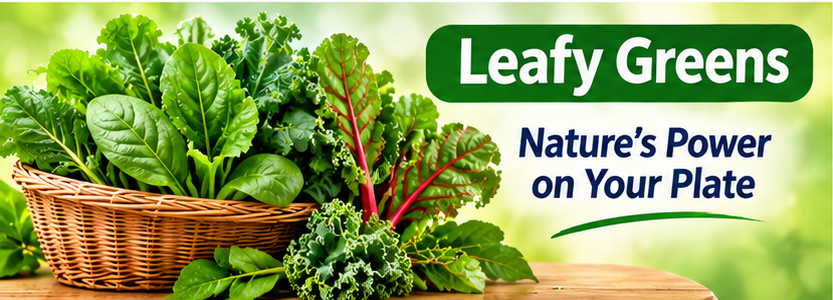
Green leafy vegetables are an important part of a healthy diet.
They provide vitamins, minerals, fibre and naturally occurring plant compounds that support normal body functions.
Adding different types of leafy greens to your meals is an easy way to improve the variety of nutrients in your diet.
Here are ten leafy greens worth knowing about.
11. Spinach
Spinach is one of the most popular leafy vegetables.
It contains important nutrients such as folate, vitamin K and carotenoids. It also contains naturally occurring nitrates that have been studied for their relationship with blood vessel function.
How to include spinach in your diet:
Prepare spinach curry.
Add it to soups.
Include it in salads and vegetable dishes.
12. Kale
Kale is a leafy green vegetable belonging to the cabbage family.
It contains vitamin C, vitamin K, carotenoids and other natural plant compounds.
It is also a source of glucosinolates, which are being studied for their role in normal cellular processes.
How to include kale in your diet:
Add it to fresh salads.
Prepare lightly cooked vegetable dishes.
Include it in suitable smoothies.
13. Swiss Chard
Swiss chard is a colourful leafy vegetable with green leaves and attractive stems.
It contains vitamins, minerals and natural plant compounds such as betalains and polyphenols.
These compounds are being studied for their antioxidant properties.
How to include Swiss chard in your diet:
Add it to stir-fried vegetables.
Use it in soups.
Include it in salads after proper preparation.
14. Collard Greens
Collard greens are leafy vegetables belonging to the cruciferous vegetable family.
They contain fibre, vitamin K, vitamin C and other nutrients.
Including different leafy vegetables in your meals helps improve dietary variety.
How to include collard greens in your diet:
Cook them with other vegetables.
Add them to soups.
Use them in traditional vegetable preparations.
15. Arugula
Arugula, also known as rocket leaves, is a leafy vegetable with a slightly peppery taste.
It contains vitamin K, folate and natural compounds called glucosinolates.
How to include arugula in your diet:
Add fresh leaves to salads.
Use them in sandwiches.
Combine them with other leafy vegetables.
16. Mustard Greens
Mustard greens are commonly used in traditional cooking.
They contain vitamins, minerals and natural plant compounds, including glucosinolates.
They are a good way to add more variety to your daily vegetable intake.
How to include mustard greens in your diet:
Prepare them as a vegetable side dish.
Add them to soups.
Combine them with other seasonal greens.
17. Dandelion Greens
Dandelion greens are edible leafy vegetables used in different food traditions.
They contain fibre, vitamins and natural plant compounds such as polyphenols.
They have also attracted research interest because of their antioxidant properties.
How to include dandelion greens in your diet:
Use young leaves in salads.
Cook them with other vegetables.
Add them to suitable soups.
Always use correctly identified, food-grade leaves from a safe source.
18. Beet Greens
Most people use beetroot in their cooking, but did you know that its green leaves are also edible?
Beet greens contain vitamins, minerals and natural compounds such as nitrates and betalains.
They can be a nutritious addition to a varied diet.
How to include beet greens in your diet:
Cook them with other leafy vegetables.
Add them to soups.
Use them in suitable stir-fried dishes.
19. Romaine Lettuce
Romaine lettuce is a popular salad vegetable known for its fresh taste and crunchy texture.
It contains water, fibre and nutrients such as vitamin A precursors.
It is also an easy way to add more vegetables to your meals.
How to include romaine lettuce in your diet:
Prepare fresh salads.
Add it to sandwiches.
Combine it with cucumber and tomatoes.
20. Watercress
Watercress is a leafy green vegetable with a slightly peppery flavour.
It contains vitamin K, vitamin C and natural plant compounds called glucosinolates.
It is also studied for its antioxidant properties.
How to include watercress in your diet:
Add it to fresh salads.
Include it in vegetable soups.
Combine it with other leafy greens.
3. What Makes These 20 Foods Special?
You may have noticed that these foods come from different categories.
Some are herbs and spices, while others are leafy vegetables. But they share something interesting: they contain natural compounds that are being studied for their role in health and wellness.
Here is a simple overview:
| Food group | Examples | Natural compounds |
|---|---|---|
| Herbs and spices | Turmeric, ginger, cloves | Curcumin, gingerols, eugenol |
| Aromatic herbs | Rosemary, thyme, oregano | Rosmarinic acid, thymol, carvacrol |
| Traditional herbs | Basil, saffron | Polyphenols, crocin, safranal |
| Leafy greens | Spinach, kale, Swiss chard | Carotenoids, polyphenols, betalains |
| Cruciferous greens | Collard greens, mustard greens, arugula | Glucosinolates |
| Other leafy vegetables | Beet greens, lettuce, watercress | Nitrates, vitamins and plant compounds |
The important thing is not to depend on just one food.
Try to include a variety of vegetables, herbs and spices in your daily meals. Each provides a different combination of nutrients.
4. How to Add More Anti-Inflammatory Foods to Your Daily Meals
Eating healthy does not have to be difficult.
You don't need an expensive diet plan or complicated recipes to get started. A few simple changes to your regular meals can make a difference to the overall quality of your diet.
Here are some easy ideas.
In the Morning
Start your day with adequate hydration.
Have a balanced breakfast.
Include fruits or vegetables where possible.
During Lunch
Add more vegetables to your plate.
Use turmeric, ginger and garlic in cooking.
Include leafy greens in your meals.
In the Evening
Choose nutritious snacks.
Include fresh vegetables where appropriate.
Avoid consuming too many highly processed foods.
At Dinner
Include vegetables and fibre-rich foods.
Use herbs and spices for natural flavour.
Maintain balanced portion sizes.
Remember, consistency matters more than following a complicated diet.
5. Discover SNP Functional Drink by SNP Kart

At SNP Kart, we believe that making informed choices is an important part of everyday wellness.
SNP Functional Drink (Sembavala Banam) is a functional beverage available in 66X and 108X grades.
According to the published product information, its formulation includes treated purified water, naturally sourced trace elements, edible herbo-mineral salts and Khus.
For individuals interested in exploring functional beverages, SNP Functional Drink is one option to learn more about.
Before choosing any wellness product, it is important to understand its ingredients, recommended usage and product information.
You can explore SNP Functional Drink and learn more about the available variants through the SNP Kart online store.

6. Why a Balanced Lifestyle Is More Important Than One Food
There is no single food or drink that can provide everything our body needs.
Good nutrition comes from eating different types of foods and maintaining healthy habits.
Instead of depending on one particular ingredient, try to build a routine that includes:
Eat Variety: Include different vegetables, fruits, legumes and whole grains in your meals.
Choose Nutritious Foods: Focus on foods that provide vitamins, minerals, fibre and other important nutrients.
Stay Active: Make walking, exercise or other suitable physical activities part of your routine.
Stay Hydrated: Drink adequate fluids according to your individual needs.
Get Proper Rest: Make enough time for good-quality sleep.
Be Consistent: Follow healthy habits regularly rather than looking for quick results.
At SNP Kart, we encourage everyone to understand what they eat and drink and make responsible choices about the wellness products they use.

Important Medical and Product Safety Disclaimer
This article is intended for general educational and wellness information only. It should not be considered medical advice or a substitute for professional diagnosis or treatment.
IMPORTANT SAFETY NOTICE – SNP FUNCTIONAL DRINK
Chronic Kidney Disease (CKD): SNP Functional Drink is not suitable for individuals diagnosed with CKD or other chronic kidney conditions.
Dialysis Patients: It is not suitable for people undergoing haemodialysis or peritoneal dialysis.
People Taking Medication: It is not recommended for individuals currently taking prescribed medication or undergoing medical treatment.
People with kidney conditions may have specific restrictions on minerals, electrolytes and fluid intake. A plant-based or herbal product is not automatically safe for everyone.
Always consult a qualified healthcare professional regarding your individual health needs. Never stop or change prescribed medication or medical treatment based on information in this article.

Medical Disclaimer: SNP Wellness World provides general wellness information, educational content, and experiences shared by individuals with their consent. This information is intended for general informational purposes only and is not a medical diagnosis, medical advice, or a substitute for professional medical care or your existing treatment plan. If you have persistent, worsening, or severe symptoms, please consult a qualified healthcare professional.